The Thrill of the Chase: Understanding Gambling’s Psychological Appeal
The allure of casino gambling stems from a complex interplay of psychological factors. At its core is the anticipation of reward. The near-miss phenomenon, where a player almost wins, can be particularly powerful, reinforcing the belief that a big win is just around the corner. This creates a loop of engagement, driving players to continue playing in hopes of achieving that elusive victory, and for many, exploring options like the battery bet app can be part of this journey. The element of chance itself is captivating, offering a departure from the predictable nature of everyday life and providing a space where fortune can seemingly strike at any moment.

Furthermore, the social environment of a casino can significantly enhance satisfaction. The shared excitement, the camaraderie among players, and the atmosphere of possibility contribute to a positive emotional experience. For many, it’s not just about the potential financial gain but also about the entertainment value and the escape from routine. This psychological cocktail of hope, excitement, and social interaction forms the bedrock of why individuals are drawn to casino games, even when the odds are not in their favor.
Variable Reinforcement and Dopamine: The Brain’s Role in Casino Enjoyment
From a neurochemical perspective, casino gambling taps into the brain’s reward system, primarily through the release of dopamine. Dopamine is a neurotransmitter associated with pleasure, motivation, and reward. When a player experiences a win, even a small one, dopamine is released, creating a pleasurable sensation that the brain seeks to replicate. This process is amplified by variable reinforcement schedules, where rewards are unpredictable. Unlike consistent rewards, unpredictable rewards are far more compelling and lead to more persistent behavior, a key principle in understanding why casino games can be so engaging.
This constant seeking of the next dopamine hit can lead to a cycle where the anticipation of a win becomes almost as rewarding as the win itself. The bright lights, sounds, and the sheer unpredictability of slot machines or card games are all designed to maximize this effect. Platforms like Batery Bet understand this by offering a diverse range of games, each with its own unique blend of chance and potential reward, designed to keep players engaged through these powerful psychological and neurological mechanisms.
Cognitive Biases and Perceived Control in Casino Games
Human psychology is also prone to cognitive biases that can influence our perception of control and skill in casino gambling. The illusion of control, for instance, leads players to believe they can influence the outcome of random events, such as by blowing on dice or choosing specific numbers. Similarly, the gambler’s fallacy—the mistaken belief that past independent events can influence future ones—can lead to irrational decision-making. These biases can create a false sense of agency, making the gambling experience feel more empowering and thus more satisfying.
Even in games of pure chance, players often develop strategies or rituals that they believe improve their odds. This personal investment in the game enhances the feeling of involvement and can make wins feel more earned. Understanding these cognitive quirks is crucial for appreciating the depth of psychological satisfaction derived from casino play. Whether it’s the vivid graphics and soundscapes of online slots or the strategic decisions in table games, these elements are carefully crafted to align with our innate psychological tendencies.
The Gratification of Strategy vs. Chance in Gaming Platforms
The satisfaction derived from casino gambling can also be bifurcated into experiences centered on strategy versus those rooted purely in chance. While games like roulette offer little room for strategic input, influencing the psychological gratification through pure luck and anticipation, games such as blackjack or poker involve a significant element of skill. The satisfaction from strategic wins comes from the feeling of mastery, intelligent decision-making, and outwitting opponents or the house. This intellectual engagement adds another layer to the overall gambling experience, appealing to a different set of psychological needs.
Online platforms aim to cater to both preferences. For those who enjoy the thrill of pure chance, the vast array of slot machines with their dazzling themes and instant-win potential offer immediate gratification. For those who prefer a more cerebral challenge, live dealer games or specific table games provide the opportunity to exercise skill and strategic thinking. This duality ensures a broad appeal, allowing players to choose the type of satisfaction they seek on any given gaming session, a feature well-represented by the variety offered at Batery Bet.
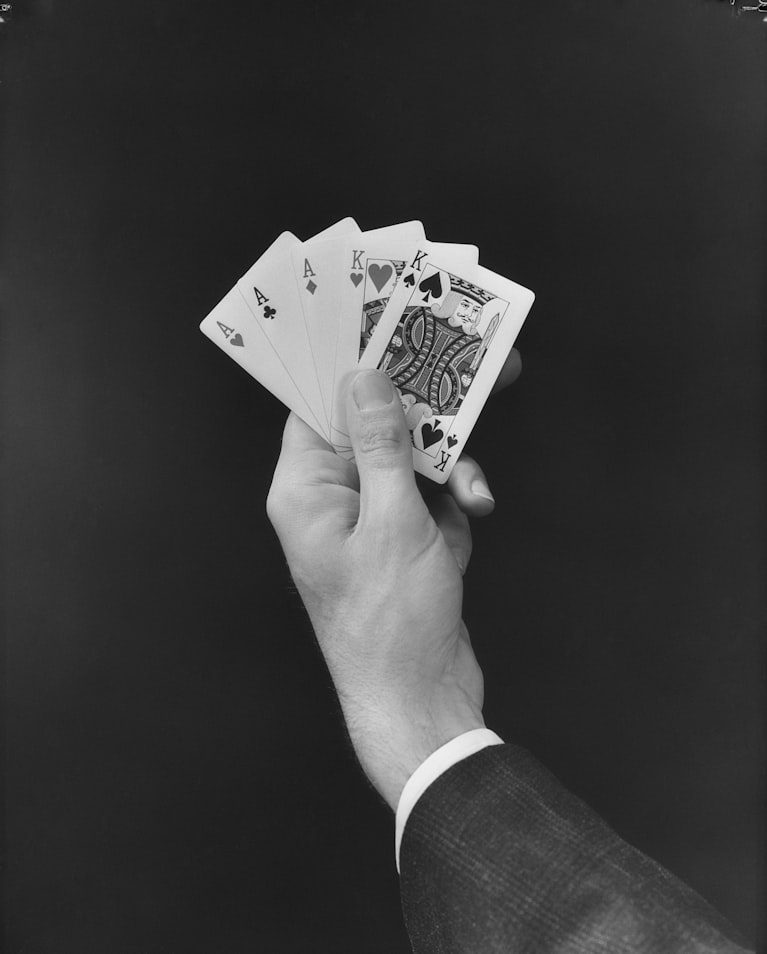
Batery Bet: Facilitating a Satisfying Casino Experience for Indian Players
Batery Bet has established itself as a prominent online platform for Indian users seeking a satisfying casino gaming experience, understanding the psychological drivers behind player engagement. By offering a wide spectrum of games, from the fast-paced excitement of slots to the strategic depth of table games and the immersive nature of live dealer interactions, Batery Bet caters to diverse preferences. The platform’s design and game selection are geared towards maximizing player enjoyment and fostering that sense of anticipation and potential reward that is central to casino satisfaction.
The platform further enhances satisfaction through convenient deposit and withdrawal options and dedicated support in Hindi, removing common friction points that can detract from the gaming experience. Attractive welcome bonuses also play a crucial role, immediately injecting a sense of value and opportunity into the player’s journey. For Indian players looking to engage in real-money betting and gaming, Batery Bet aims to provide a comprehensive and psychologically rewarding environment, making it a go-to destination for online casino entertainment.